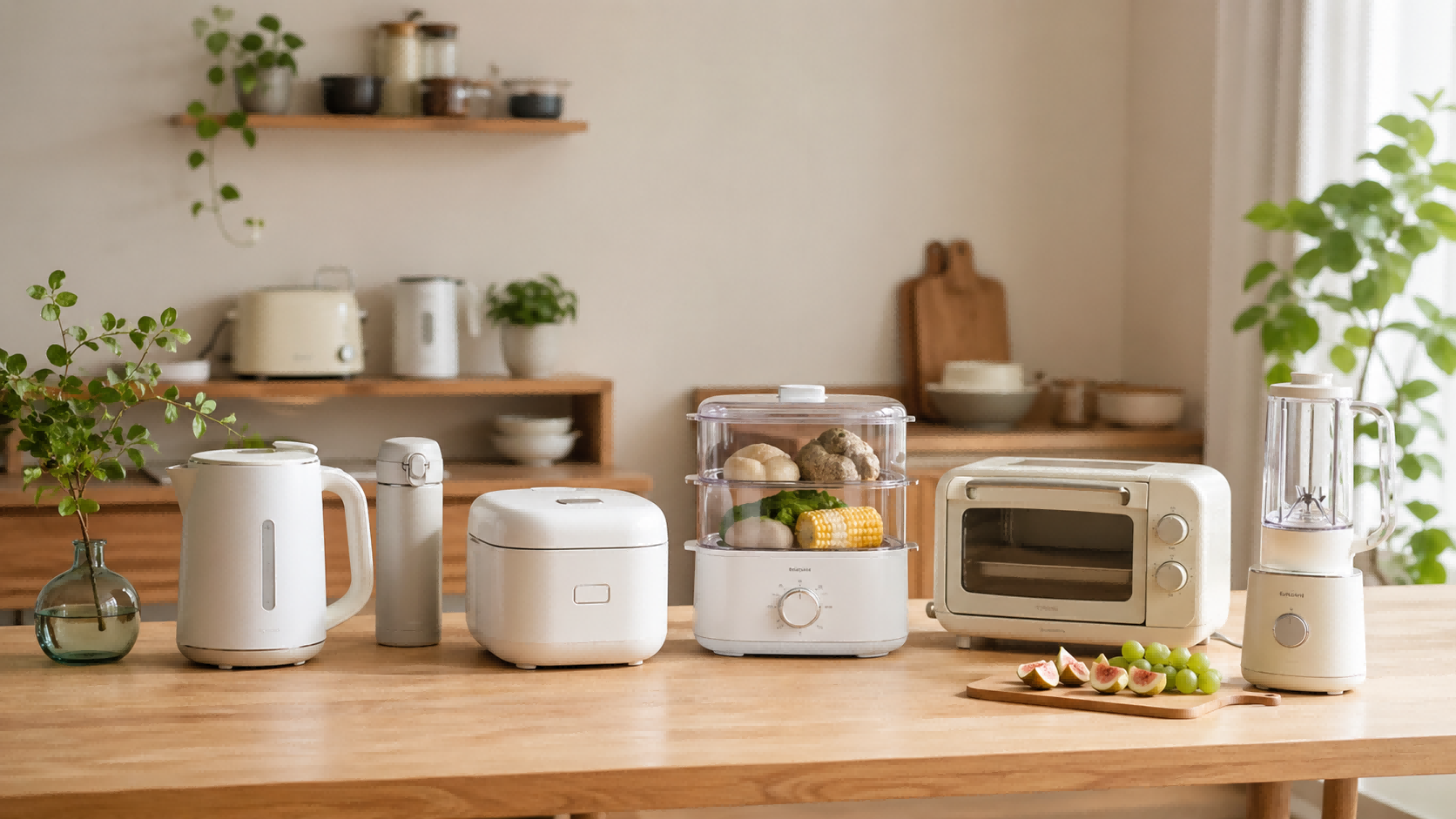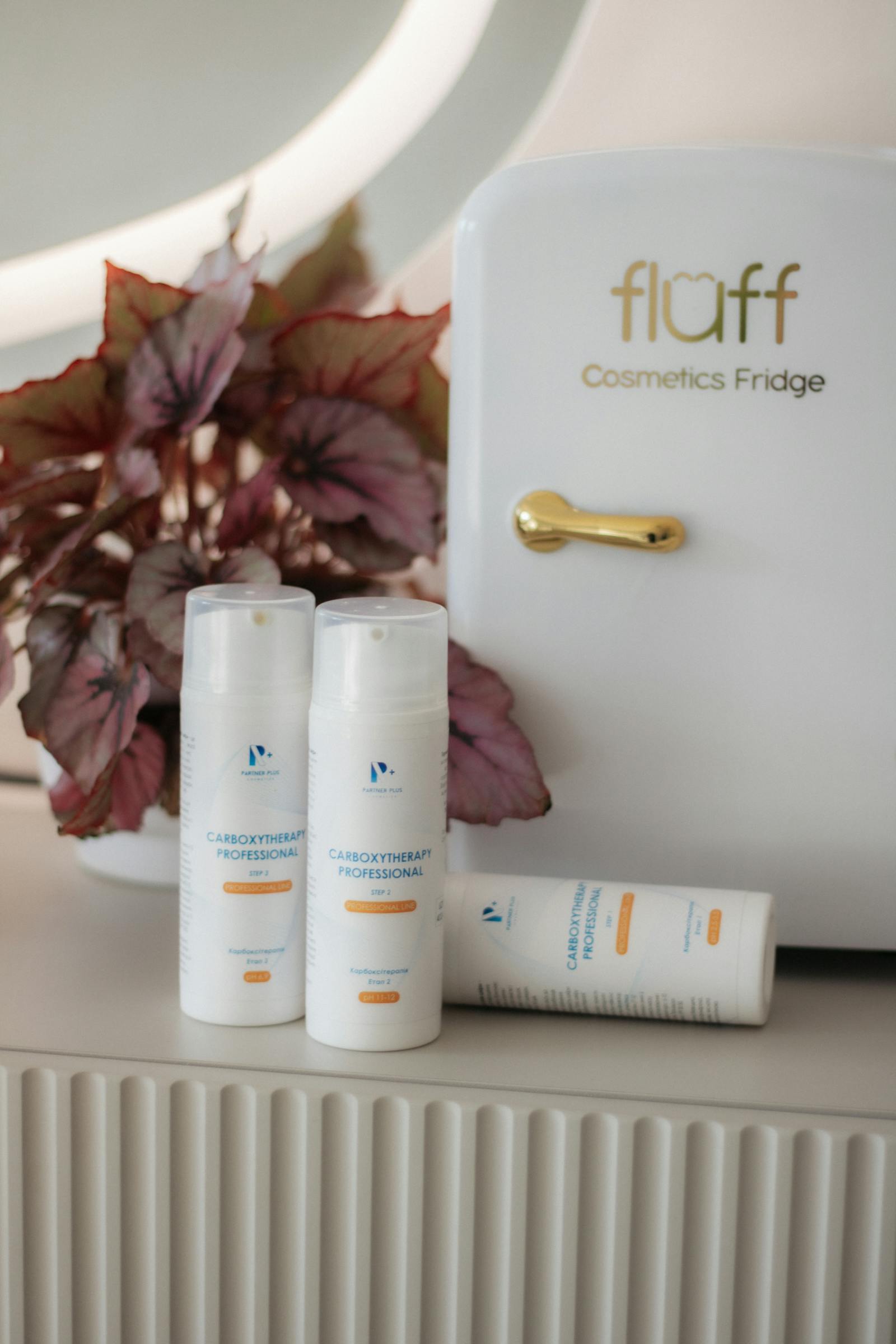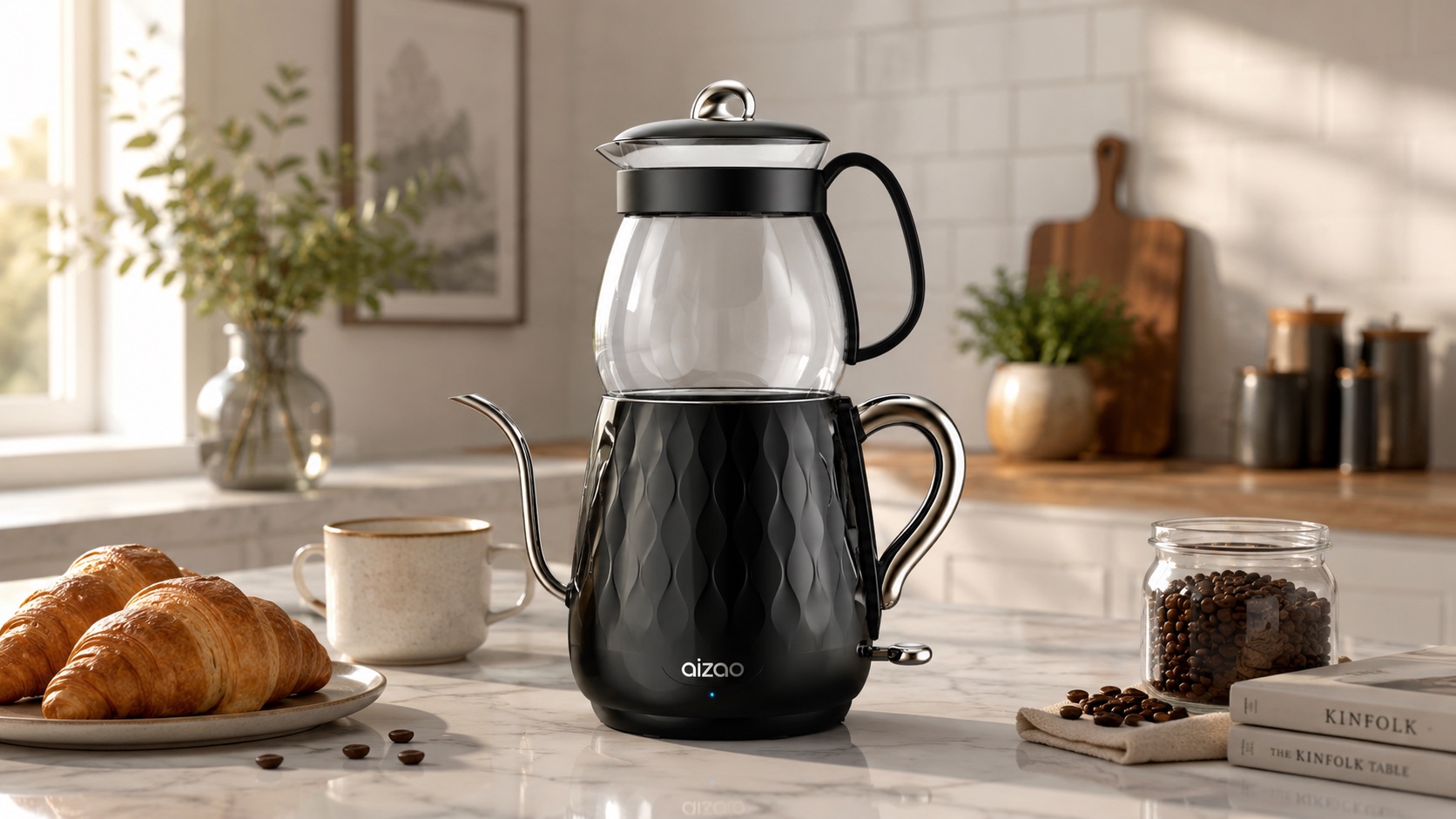
Private label small appliances let you launch your own branded product line without building a factory. You pick a proven design from a manufacturer, put your logo, colors, and packaging on it, and sell it as yours.
The concept is simple. The execution isn’t. Miss one step — a certification, a material spec, a QC checkpoint — and you end up with a container of product you can’t legally sell. This guide walks through the process the way factories actually run it.
What “private label” actually means for appliances
Private label sits between buying off-the-shelf and full custom development. The factory owns the core design and tooling; you own the brand presentation — logo, colors, packaging, manual, and sometimes a few functional tweaks. Compare that with OEM (your design, their production) and ODM (their design, minimal changes). We broke down the difference in our OEM vs ODM guide — the short version: private label is the fastest route to market because the product already exists and is already tested.
Step 1 — Lock your spec sheet first
Everything downstream — price, MOQ, certifications, lead time — follows from your spec sheet. Write it before you contact a single factory:
- Product and capacity: 1.7L electric kettle, 5L rice cooker, 4L skincare fridge
- Voltage and wattage for each target market: 220–240V for the EU, 120V for the US
- Must-have vs nice-to-have functions: keep-warm, digital display, app control
- Target retail price band, which sets your landed-cost ceiling
Vague RFQs get vague quotes. A one-page spec sheet gets you real numbers in 48 hours.
Step 2 — Shortlist factories by category focus, not size
A factory that makes 50 kettle models will private-label kettles better than a giant that makes a bit of everything. Ask how many production lines run this category, and which export markets they already ship to — a factory serving Germany already understands LFGB. Ask about their QC process: incoming-material checks, in-line checks, aging tests. Ask for a factory audit report or a video walkthrough of the line. Small detail, big signal: factories that hi-pot test every unit’s electrical safety before packing are the ones that rarely see returns.
Step 3 — Samples in three rounds
Never approve mass production off a catalog photo.
Round 1 — base model: check build quality, materials (304 stainless steel vs 201 — 201 rusts, 304 doesn’t), heating performance, cord and plug type. For reference, our AZ-905 double-wall electric kettle shows what a proven private-label base looks like: 304 stainless steel body, 1.7L, 2200W.
Round 2 — branded sample: your logo, your colors, your packaging. This is where silk-screen alignment, color matching, and carton print quality get verified.
Round 3 — pre-production sample, pulled from the actual line. Test it the way your customer will, for two to four weeks.
Each round takes roughly one to two weeks including shipping. Budget for all three.
Step 4 — Branding mechanics: logo, color, packaging
Logo options: silk-screen printing (cheap, works on plastic and painted metal), laser engraving (permanent, best on stainless steel), adhesive badges (removable, lowest MOQ). Color: plastic parts can be matched to a Pantone reference; metal bodies take powder coating or spray painting. Note that custom colors usually raise the MOQ — the factory has to run a dedicated batch. Packaging is where brands underinvest: a proper retail carton with your barcode, a multilingual manual, and compliance marks (CE mark, WEEE symbol) is part of the product, not an afterthought.
Step 5 — Certifications for your market
Certification follows the market, not the factory. EU: CE and RoHS are mandatory; food-contact parts need LFGB compliance for Germany. US: ETL or UL for electrical safety, FCC for anything with a circuit board or wireless function. UK: UKCA. Two practical points. First, if the factory already holds the certificate for the base model, extending it to your branded version is faster and cheaper than certifying from zero — ask for the existing test reports. Second, testing adds lead time: budget four to six weeks for new certification rounds. Decide who pays — buyer or factory — in writing, before samples.
Step 6 — Price, MOQ, and lead time
What moves the numbers: tooling (a new mold costs thousands of dollars and 30–45 days — private label avoids this, which is the whole point), packaging complexity, order size, certification work. Typical ranges for private label small appliances: MOQs from a few hundred units for logo-only changes on stock models, up to several thousand for custom colors and tooling tweaks. Mass production typically runs 30–45 days after sample approval; sea freight adds another 25–40 days. Work backward from your launch date and add a buffer — first orders always find a surprise.
Step 7 — QC before shipment, not after
Set the QC plan before the order, not when the container is being loaded. A workable minimum: incoming-material inspection (is that really 304 steel?), in-line checks during production, and a pre-shipment inspection at AQL 2.5 for major defects. Electrical-safety tests — hi-pot, leakage current, aging/burn-in — should run on every unit or a defined sampling plan. Agree in writing what happens when a batch fails: rework, remake, or cancel, and who pays. The factories worth keeping are the ones that suggest this clause themselves.
On stock models with silk-screen logos, many factories accept a few hundred units. Custom colors or packaging push it into the thousands.
Roughly three to five months end to end: three to six weeks of sampling, four to six weeks for certification if needed, 30–45 days of production, plus freight.
Sign an NDA before sharing drawings. If you pay for a new mold, get mold ownership in writing — otherwise the factory keeps it.
Either side can, but decide in writing before samples. Factory-held base-model certificates are the fastest starting point.
You should. The carton, manual, and compliance marks are part of your brand — and in the EU, the importer’s name and address must appear on the packaging.
Start with the factory, not the catalog
Private label works when the factory treats your brand like its own production line — same QC, same tests, same accountability. Browse our product range to see the categories we run, read how we work on OEM/ODM projects, or revisit our OEM vs ODM guide if you’re still deciding which route fits. Ready to talk specs? Request a quote — tell us your target market and volume band, and we’ll respond with real numbers.